

CABO ROJO, PUERTO RICO — Early Sunday morning, I attended a memorial service for Johnny Flores at the University of Puerto Rico’s Mayagüez Campus. The university was honoring one of the most beloved and respected head coaches in the history of its basketball program, the Bulldogs.
Many members of the university community were present, but what impressed me most were the dozens of former players who had come to pay their respects. Most are now in their senior years, yet they spoke with remarkable affection about a coach who was caring, loyal, and deeply committed to his players. Their stories painted the portrait of a man who was much more than a basketball coach, he was a mentor, teacher, and friend.
Following the university ceremony, the Municipality of Mayagüez hosted a second memorial service at the city’s basketball arena, home of the professional Indios de Mayagüez. Johnny had also coached the Indios, leaving a lasting mark on professional basketball in Puerto Rico.
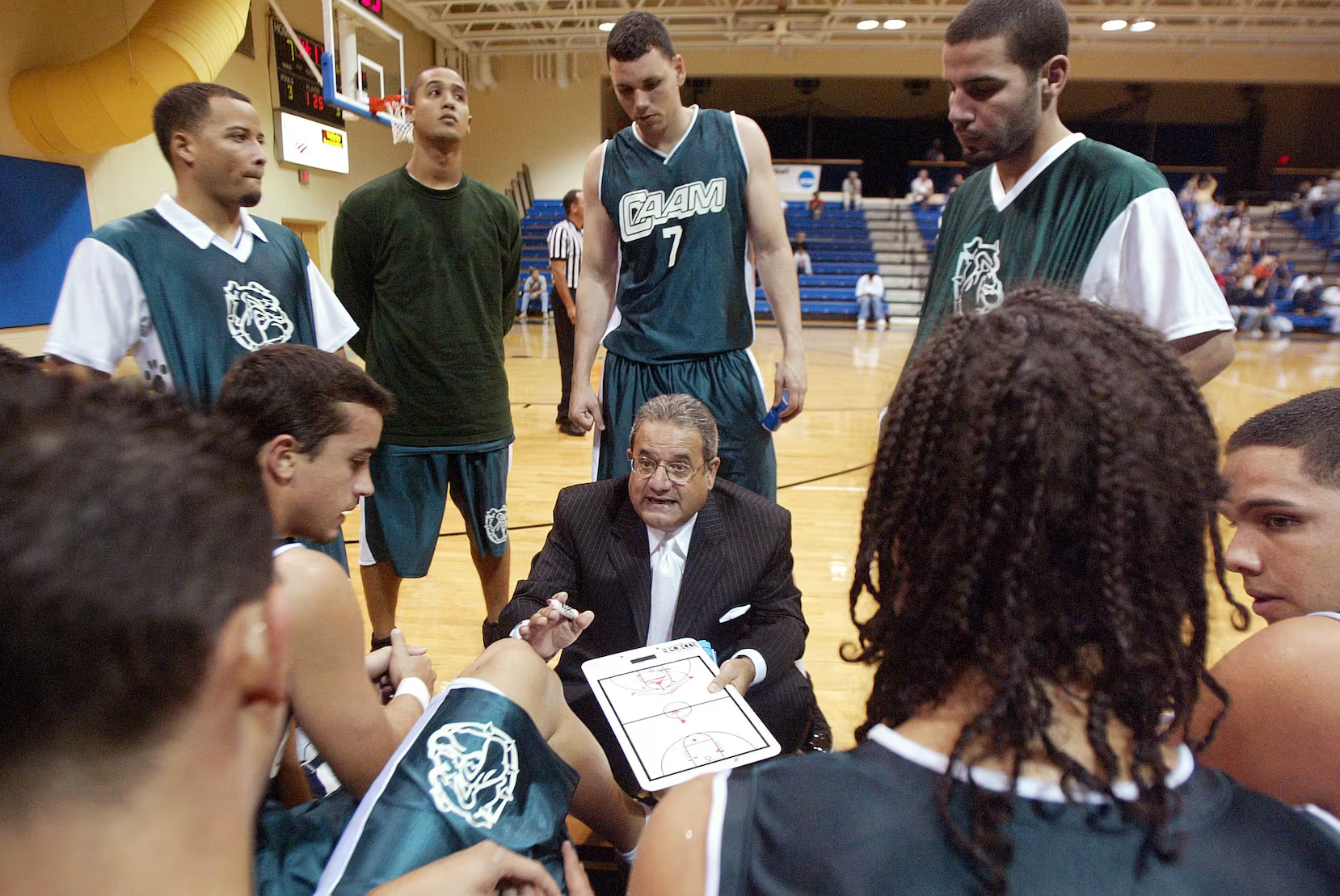
Johnny Flores while managing the University of Puerto Rico at the Mayagüez Campus – Image Credit: Ricky Arduengo
The recognition given by both the university and the city was fitting for a man whose contributions to basketball and to his community were so significant.
I had the opportunity to speak with Pedro “Pito” Vargas, who played for Johnny during the 1985–1986 season and later served as his assistant coach for twenty years, both with the university team and with the Indios in the BSN (Puerto Rico’s Superior Basketball League), as well as for one season in the Puerto Rican Basketball League.
Pito explained that Johnny was ahead of his time. He studied under legendary coach Joe Wootten and developed a strong relationship as a staff member of famed Indiana University coach Bobby Knight. More importantly, Johnny was a master at developing talent. Despite the university’s strict academic requirements, which often limited recruiting opportunities, he consistently transformed overlooked players into highly competitive athletes. His leadership helped UPR win four championships and reach seven finals over a twenty-year period.

In a statement provided by interim chancellor of UPRM, Miguel A. Muñoz, Muñoz said: “Johnny Flores Monge embodies the best of the college spirit. His time at the University of Puerto Rico at Mayagüez (UPRM) as a student, athlete, and coach left a mark that transcends generations and lives on in the memory and values that distinguish our university community” – Image Credit: RUM Press archive photo from 1998
For us at Latino Sports, however, our relationship with Johnny extended far beyond basketball. In many ways, Johnny Flores played a key role in the creation of Latino Sports itself.
Back in 1990, while vacationing in Puerto Rico, I was visiting with my family at the then-Mayagüez Hilton Hotel when I overheard a group of sports reporters discussing the announcement that the Baseball Writers’ Association of America (BBWAA) had selected Robin Yount of the Milwaukee Brewers as the American League Most Valuable Player.
The reporters strongly disagreed with the decision. Like many people throughout Puerto Rico, they believed that Puerto Rican-born Rubén Sierra of the Texas Rangers had put together a superior season and deserved the award.
As a Nuyorican raised in the South Bronx, I had never heard of Rubén Sierra. When I asked, “Who is Rubén Sierra?” the reporters were surprised that a Puerto Rican did not know who he was. Once they learned I was from New York, they understood and began explaining why so many felt Sierra had been overlooked.
As I learned more about Sierra, I immediately identified with him. He was an Afro-Boricua in just his third major league season, a high school dropout who had grown up in public housing and spoke little English. Having been raised in the poorest congressional district in the United States and having worked as a secondary school teacher, I knew firsthand how desperately young people needed positive role models.
At that moment, I decided that Sierra deserved recognition—not simply because of his accomplishments on the field, but because he represented hope and possibility for young Latino children, especially those growing up in neighborhoods like the South Bronx.
Johnny Flores happened to be listening.
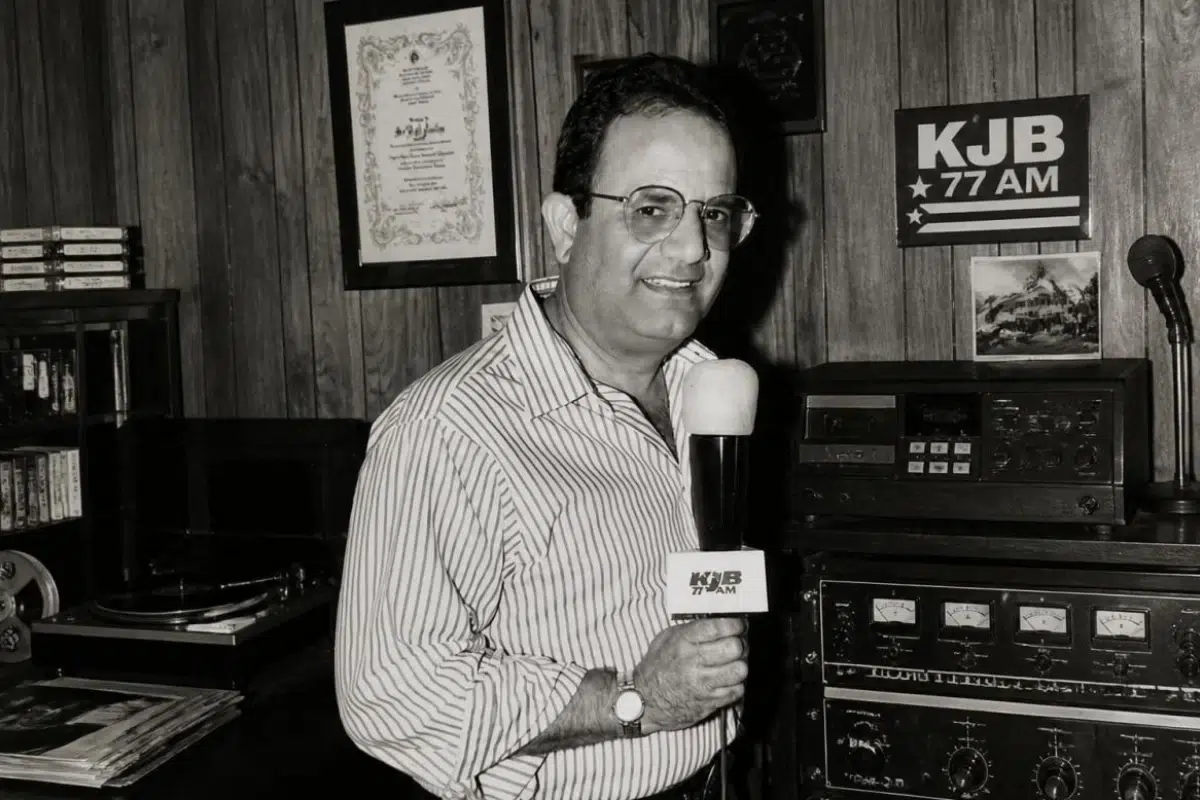
At the time, Johnny hosted a highly popular sports radio program. After hearing me explain that I wanted to honor Sierra so young Puerto Rican children could see someone they could identify with and admire, he invited me onto his show.
I gladly accepted.
During the program, I spoke about the importance of positive role models and why I believed Sierra’s story mattered. The response from listeners was overwhelming. Many called the station to express their support.

Johnny Flores was inducted into the Puerto Rican Sports Hall of Fame in 2014 – Image Credit: Ramon “Tonito” Zayas
One of those callers was Luis Mayoral, author of several baseball books and an executive with the Texas Rangers organization. Luis congratulated me on my desire to honor Sierra and asked whether I would like to meet him.
Before my vacation ended, I was introduced to Rubén Sierra.
Interestingly, Sierra himself did not seem concerned about being overlooked for the MVP Award, nor was he particularly interested in receiving another award. I explained that this recognition was about something much bigger than baseball. It was about giving Latino children throughout the country and especially Puerto Rican youth in the South Bronx a role model who looked like them, came from circumstances similar to theirs, and had succeeded despite tremendous obstacles.
I told him that seeing someone like him could inspire young people to stay on a positive path rather than fall victim to the crime, drugs, and hopelessness that too often plagued our Latino Barrios.
Sierra understood.
He agreed to accept the recognition, and that decision led directly to the birth of Latino Sports. In April of 1990, we presented our first-ever LatinoMVP award to Rubén Sierra at Yankee Stadium. The story of how that historic event came together is one that I will share in a forthcoming book.

Rubén Sierra’s LatinoMVP award presentation at Yankee Stadium in 1990 – Image Credit: Latino Sports
After that first award ceremony, Johnny Flores and I maintained a close friendship for many years. I frequently appeared as a guest on his radio program to provide Latino Sports updates from New York.
Johnny was also a passionate fan of the New York Mets and the New York Knicks. Therefore, I like to think that when the Knicks finally ended their long championship drought, Johnny was smiling from above as he watched one of his favorite teams celebrate another title.
Johnny Flores was more than a successful coach. He was a mentor, a communicator, a community leader, and, for me, a trusted friend whose encouragement helped launch a journey that became Latino Sports.
Thank you, Johnny Flores, for your friendship, guidance, and belief in our mission.
You will always hold a special place in the history of Latino Sports, and in my heart.
Follow us on Social Media for updates and exclusive content
Instagram: @latinosportsoficial
Facebook: Latino Sports
Twitter: @latinosports
















Julio Pabón
June 16, 2026 at 11:02 am
Good historical article on a person that few know responsible for the creation of Latino Sports.
Richard
June 16, 2026 at 1:43 pm
RIP Johnny Flores… a great human being!
J.P. Miranda
June 16, 2026 at 11:51 am
RIP Johnny Flores.. wonderful informative article.. love the photo with Ruben Sierra